

Презентация к уроку на тему:

Animals, Pets and Responsibility

Материал для урока английского в 9–11 классе уровня B2–C1 по теме животных, домашних питомцев и ответственности. Слайды включают лексику о природе, схемы и практику количественных определителей, задания на усыновление питомцев, дискуссии и ролевую игру о защите дикой природы.

Английский язык11 класс12 слайдов
Advanced Quantifiers: Meaning and Nuance
QuantifierMeaning and nuanceGrammar focusExample in the context of animals
some / anyNeutral quantity; some is common in affirmative statements and offers, any in negatives and most questionsUse with plural countable and uncountable nounsThere are some rescued dogs at the shelter. Would you like some information about adoption? Are there any endangered species in this area?
many / muchMore formal or emphatic than a lot of; many with countable nouns, much with uncountable nounsCommon in questions, negatives and formal writing; much is less natural in informal affirmative speechHow many wild animals live in the reserve? Too much plastic threatens marine life. Many species are losing their habitats.
a few / a little vs few / littleA few and a little suggest a small but sufficient or positive amount; few and little emphasise shortageA few + plural countable nouns; a little + uncountable nouns; without the article a, the meaning becomes negativeA few volunteers care for the injured foxes. There is a little food left. Few people understand the long-term impact, and little is being done.
a lot of / plenty of / hardly anyA lot of is neutral and frequent; plenty of means more than enough; hardly any means almost noneAll can modify plural countable and uncountable nouns; choose according to tone and contextThe reserve has a lot of biodiversity, plenty of space for rehabilitation, but hardly any funding for research.

Посмотрите презентацию целиком

Открыто 5 из 12 слайдов — зарегистрируйтесь и скачайте в PDF или PPTX

Grammar Practice: Choose and Transform
  • Complete the sentences with some, many, much, a lot of, few, a few, little or a little:
  • • There are ___ practical ways to reduce plastic waste.
  • • The shelter has ___ space, so adopting an animal requires planning.
  • • Only ___ people volunteer regularly, although ___ others donate online.
  • • How ___ information do we need before choosing a pet?
  • • We should show ___ patience when an adopted animal is afraid.
  • Challenge: Rewrite two sentences to make the meaning more positive or more negative by changing few to a few, or little to a little.
Слайд 7 «Grammar Practice: Choose and Transform» — иллюстрация к презентации «Animals, Pets and Responsibility» по английскому языку для 11 класса

Посмотрите презентацию целиком

Открыто 5 из 12 слайдов — зарегистрируйтесь и скачайте в PDF или PPTX
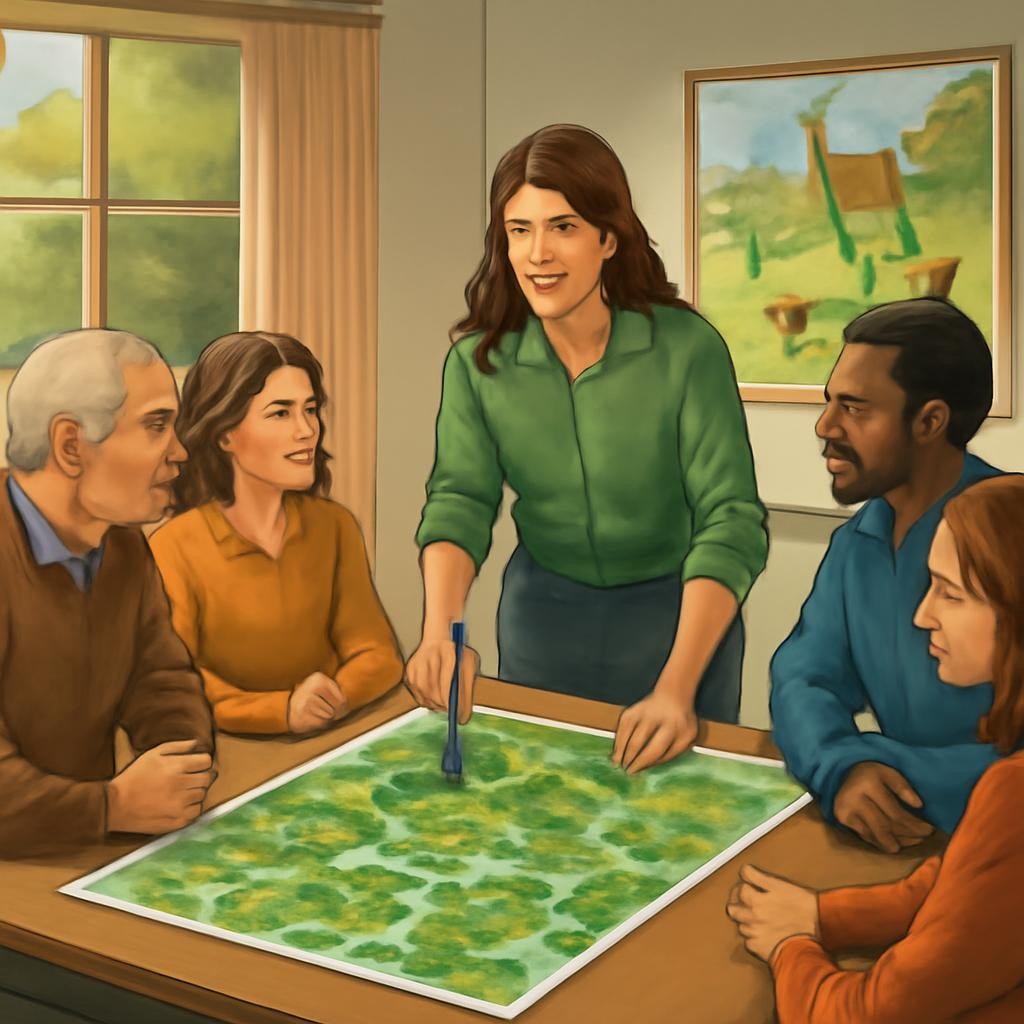
Responsible Pet Ownership
Before adoption
Research the species, its needs, expected costs and the time required for daily care.
First weeks
Create a calm routine, provide suitable food and allow the animal to adapt gradually.
Every day
Offer exercise, social contact, clean water, medical care and safe living conditions.
Long term
Be prepared for changing circumstances and never treat an animal as a temporary trend.

Посмотрите презентацию целиком

Открыто 5 из 12 слайдов — зарегистрируйтесь и скачайте в PDF или PPTX
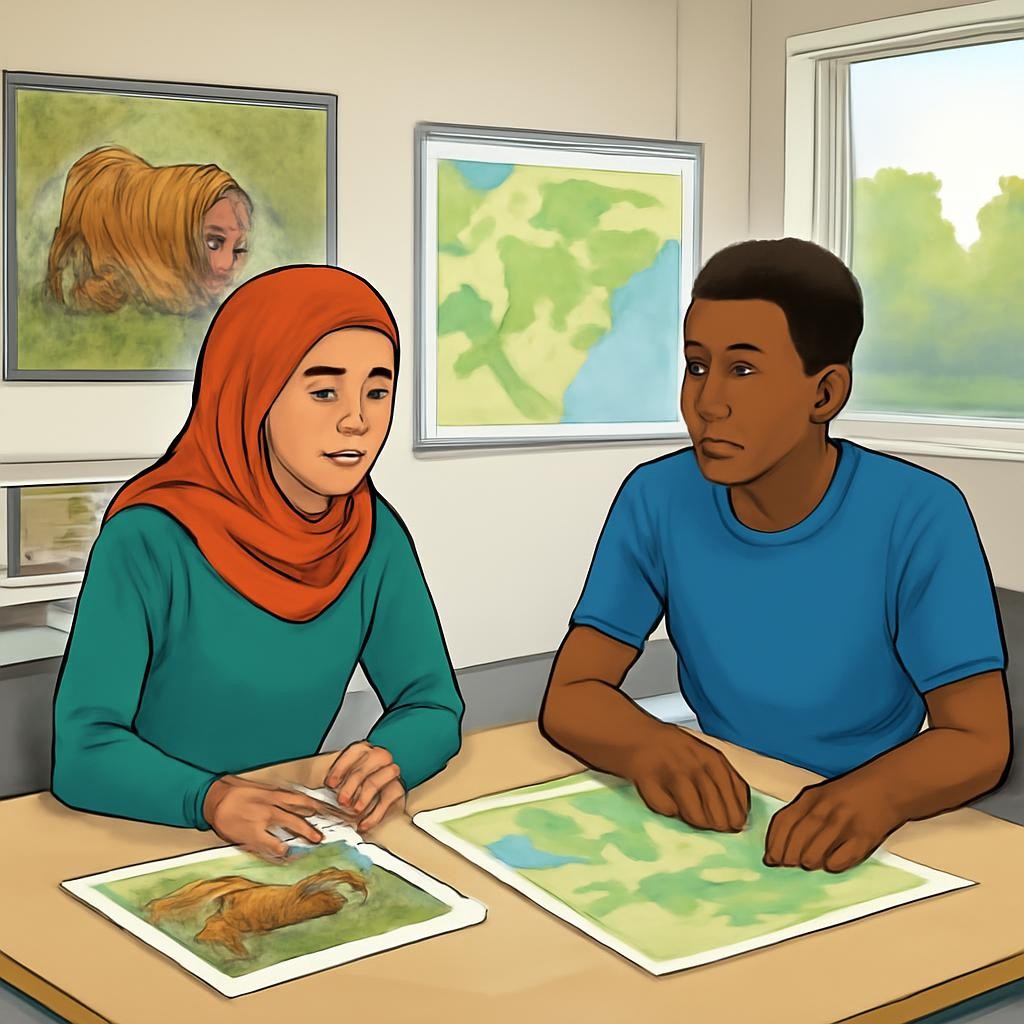
Speaking Task: A Wildlife Council Meeting
Situation: A city is planning to build near a forest. In groups, discuss how the project could affect local wildlife. Use at least three target expressions: habitat loss, biodiversity, conservation programme, coexist with wildlife.
Roles: an ecologist, a local resident, a business representative and an animal welfare activist. Reach a compromise and present two conditions for responsible development. Use quantifiers naturally: many, a lot of, few, little and a few.
Слайд 9 «Speaking Task: A Wildlife Council Meeting» — иллюстрация к презентации «Animals, Pets and Responsibility» по английскому языку для 11 класса

Посмотрите презентацию целиком

Открыто 5 из 12 слайдов — зарегистрируйтесь и скачайте в PDF или PPTX

“The greatness of a nation can be judged by the way its animals are treated.”
— Mahatma Gandhi

Посмотрите презентацию целиком

Открыто 5 из 12 слайдов — зарегистрируйтесь и скачайте в PDF или PPTX

Challenge: Fill the Gaps in Context
  • Complete the sentences with B2–C1 vocabulary about animals and nature, then choose some, many, a lot of, few or little.
  • 1. The wildlife reserve protects several endangered ______ from habitat loss.
  • 2. Only ______ species can adapt to such rapid environmental change.
  • 3. There is very ______ evidence that domesticated animals benefit from responsible human care.
  • 4. Conservationists have collected ______ data on the migration patterns of ______ birds.
  • 5. ______ people realise how seriously plastic pollution affects marine ecosystems.
  • 6. The rescued fox showed ______ signs of recovery after weeks of rehabilitation.
  • Explain how each determiner changes the meaning: quantity, countability, or positive and negative implication. Compare your answers in pairs, justify your choices, and rewrite any two sentences without changing their meaning.
Слайд 11 «Challenge: Fill the Gaps in Context» — иллюстрация к презентации «Animals, Pets and Responsibility» по английскому языку для 11 класса

Посмотрите презентацию целиком

Открыто 5 из 12 слайдов — зарегистрируйтесь и скачайте в PDF или PPTX

Think and Discuss: Animals in Our Lives
Use the vocabulary
Explain the words in your own words and use each in a sentence: habitat, endangered species, domestication, animal welfare, biodiversity. Add one example from your country or region.
Speak and reflect
Discuss: What responsibilities do pet owners have? How can people protect wildlife? Is visiting a zoo always ethical? What personal choice could help preserve biodiversity?
Quantifiers in context
Choose precisely: some animals adapt well to cities; many species lose their habitats; a lot of people support adoption; few wild animals are suitable as pets; little is known about certain deep-sea species. Explain how the quantifier changes the meaning.
Mini-debate
Should people keep exotic animals as pets? Give one argument for and one against. Use evidence, welfare, and responsibility to support your opinion, then respond to a classmate’s point.

Посмотрите презентацию целиком

Открыто 5 из 12 слайдов — зарегистрируйтесь и скачайте в PDF или PPTX

1 / 12
Текст презентации
  1. Слайд 1. Animals, Pets and Responsibility

  2. Слайд 2. Warm-up: Speak and Check Yourself

    Answer in full sentences:

    • Do you have a pet, or would you like to have one? Why?

    • What responsibilities does a pet owner have?

    • Which wild animal do you find fascinating?

    • Would you rather live with a cat, a dog, or no pet? Explain.

    • What can people do to protect animals?

    Self-check: use at least one reason, one example and one linking word such as however, because or therefore.

  3. Слайд 3. Vocabulary Upgrade: Animals and Nature

    B2–C1 vocabulary in context:

    • endangered species — виды под угрозой исчезновения

    • habitat loss — утрата среды обитания

    • animal welfare — благополучие животных

    • responsible ownership — ответственное содержание питомца

    • to adopt rather than buy — взять из приюта, а не покупать

    • to preserve biodiversity — сохранять биоразнообразие

    • to coexist with wildlife — сосуществовать с дикой природой

    • a conservation programme — природоохранная программа

    Use two expressions to describe a local environmental problem.

  4. Слайд 4. Grammar Focus: Quantifiers

    many animals

    few pets

    a few responsible owners

    How many species are protected?

    There are fewer wild animals in this area.

    Use these forms with plural countable nouns.

    much pollution

    little space

    a little fresh water

    How much food does the shelter need?

    There is less habitat available.

    Use these forms with uncountable nouns such as food, water, advice and research.

  5. Слайд 5. Meaning Matters: Small Differences

    A neutral or positive amount: Some animals adapt quickly to urban environments.

    Often used in questions and negatives: How many species are endangered? There is not much reliable information.

    Natural in affirmative speech: A lot of people support animal shelters.

    Without a, the meaning is negative: Few people understand the risks. With a, the meaning is limited but positive: A few shelters offer training.

  6. Слайд 6. Advanced Quantifiers: Meaning and Nuance

  7. Слайд 7. Grammar Practice: Choose and Transform

    Complete the sentences with some, many, much, a lot of, few, a few, little or a little:

    • There are ___ practical ways to reduce plastic waste.

    • The shelter has ___ space, so adopting an animal requires planning.

    • Only ___ people volunteer regularly, although ___ others donate online.

    • How ___ information do we need before choosing a pet?

    • We should show ___ patience when an adopted animal is afraid.

    Challenge: Rewrite two sentences to make the meaning more positive or more negative by changing few to a few, or little to a little.

  8. Слайд 8. Responsible Pet Ownership

    Before adoption

    First weeks

    Every day

    Long term

    Research the species, its needs, expected costs and the time required for daily care.

    Create a calm routine, provide suitable food and allow the animal to adapt gradually.

    Offer exercise, social contact, clean water, medical care and safe living conditions.

    Be prepared for changing circumstances and never treat an animal as a temporary trend.

  9. Слайд 9. Speaking Task: A Wildlife Council Meeting

    Situation: A city is planning to build near a forest. In groups, discuss how the project could affect local wildlife. Use at least three target expressions: habitat loss, biodiversity, conservation programme, coexist with wildlife.

    Roles: an ecologist, a local resident, a business representative and an animal welfare activist. Reach a compromise and present two conditions for responsible development. Use quantifiers naturally: many, a lot of, few, little and a few.

  10. Слайд 10. “The greatness of a nation can be judged by the way its animals are treated.”

    — Mahatma Gandhi

  11. Слайд 11. Challenge: Fill the Gaps in Context

    Complete the sentences with B2–C1 vocabulary about animals and nature, then choose some, many, a lot of, few or little.

    1. The wildlife reserve protects several endangered ______ from habitat loss.

    2. Only ______ species can adapt to such rapid environmental change.

    3. There is very ______ evidence that domesticated animals benefit from responsible human care.

    4. Conservationists have collected ______ data on the migration patterns of ______ birds.

    5. ______ people realise how seriously plastic pollution affects marine ecosystems.

    6. The rescued fox showed ______ signs of recovery after weeks of rehabilitation.

    Explain how each determiner changes the meaning: quantity, countability, or positive and negative implication. Compare your answers in pairs, justify your choices, and rewrite any two sentences without changing their meaning.

  12. Слайд 12. Think and Discuss: Animals in Our Lives

    Explain the words in your own words and use each in a sentence: habitat, endangered species, domestication, animal welfare, biodiversity. Add one example from your country or region.

    Discuss: What responsibilities do pet owners have? How can people protect wildlife? Is visiting a zoo always ethical? What personal choice could help preserve biodiversity?

    Choose precisely: some animals adapt well to cities; many species lose their habitats; a lot of people support adoption; few wild animals are suitable as pets; little is known about certain deep-sea species. Explain how the quantifier changes the meaning.

    Should people keep exotic animals as pets? Give one argument for and one against. Use evidence, welfare, and responsibility to support your opinion, then respond to a classmate’s point.

Создайте уникальную презентацию по своей теме

  • Любая тема, любой класс
  • Иллюстрации к каждому слайду
  • 18 стилей оформления
  • Таблицы, схемы и диаграммы
  • Экспорт в PDF и PPTX
  • Готово за 1 минуту

Другие темы по английскому языку для 11 класса

Чем удобны презентации Нейрум

  • Слайды с иллюстрациямиК каждому слайду — картинка, таблица или схема по теме. Открыли на доске и повели урок, без поиска картинок.
  • PDF или PPTXСкачайте презентацию как есть или откройте в PowerPoint и доработайте под свой класс.
  • Своя презентация за минутуНе нашли нужную? ИИ-конструктор соберёт презентацию по вашей теме, классу и количеству слайдов.

Вопросы и ответы

Как скачать презентацию «Animals, Pets and Responsibility»?

Зарегистрируйтесь бесплатно — презентация «Animals, Pets and Responsibility» сохранится в личном кабинете, откуда её можно скачать в PDF или PPTX и показать классу.

Сколько слайдов в презентации «Animals, Pets and Responsibility»?

В презентации 12 слайдов по теме «Animals, Pets and Responsibility» для урока по английскому языку в 11 классе: заголовки, текст, иллюстрации, таблицы и схемы. Здесь открыты первые пять — остальные после регистрации.

Соответствует ли презентация «Animals, Pets and Responsibility» ФГОС?

Да, слайды по теме «Animals, Pets and Responsibility» построены по школьной программе по английскому языку для 11 класса по ФГОС.

Можно ли сделать похожую презентацию по теме «Animals, Pets and Responsibility»?

Да. ИИ-конструктор Нейрума соберёт свою презентацию по теме «Animals, Pets and Responsibility» под ваш класс и нужное число слайдов — за минуту.

Как получить рабочий лист и план урока к теме «Animals, Pets and Responsibility»?

В Нейруме к теме «Animals, Pets and Responsibility» можно собрать рабочий лист с заданиями и ответами и план урока по ФГОС для 11 класса — в конструкторе после бесплатной регистрации.

Можно ли изменить слайды под свой класс?

Да. После регистрации презентация «Animals, Pets and Responsibility» открывается в редакторе: текст, картинки и порядок слайдов можно поменять или перегенерировать.